At V Lead, we prioritize safety and efficiency in every road construction and maintenance project. Properly designed road safety work zones are essential for smooth traffic flow and the protection of both workers and motorists. By integrating advanced traffic management strategies, clear signage, and strict safety protocols, our work zones minimize accidents and disruptions.
Key Components of Road Safety Work Zones
Transition Area
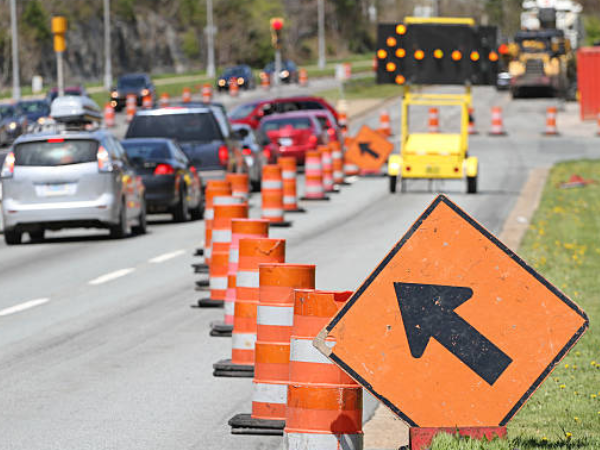
Traffic cones, barriers, and lane dividers are strategically placed to guide vehicles safely through lane shifts and merges before entering the work zone.
Speed Management
We enforce reduced speed limits within work zones, using speed feedback signs and occasional law enforcement presence to ensure driver compliance.
Advance Warning Area
Pre-warning signs and electronic message boards alert drivers well in advance, providing ample time to adjust speed and lanes.
Worker Safety Measures
All personnel are equipped with high-visibility clothing, and designated entry and exit points for work vehicles are strictly maintained to protect workers.
Work Area
The central construction or maintenance zone is clearly marked and safeguarded with barriers, ensuring safety for both the workforce and road users.
Night Work Considerations
For nighttime operations, enhanced lighting, illuminated signs, and reflective materials improve visibility and reduce accident risks.
Buffer Zone
A safety buffer acts as a protective space for workers and provides a recovery area for vehicles that may stray off-course.
Planning and Design
Traffic management plans are customized based on project type, expected duration, and traffic volume, minimizing disruption while maintaining optimal safety.
Termination Area
A clearly designated section marks the end of the work zone, allowing traffic to safely resume normal flow.
Temporary Road Signs
Temporary road signs are essential for guiding drivers and pedestrians during roadworks, events, or unexpected hazards. They provide clear instructions, ensuring smooth traffic flow and safety for all road users.
Key Uses of Temporary Road Signs:
- Roadworks and Construction: Alert drivers to ongoing construction zones and guide them safely around work areas.
- Traffic Diversions: Indicate alternate routes when roads are closed or partially blocked.
- Accident or Emergency Management: Warn drivers about sudden hazards, accidents, or emergency situations.
- Events and Public Gatherings: Manage traffic flow during sports events, parades, or festivals.
- Maintenance Work: Highlight areas with temporary hazards such as potholes, resurfacing, or utility repairs.
- Speed Regulation: Enforce temporary speed limits to protect workers and pedestrians in work zones.
Benefits of Using Temporary Road Signs:
- Enhance road safety for drivers, workers, and pedestrians
- Reduce the risk of accidents in temporary hazard zones
- Ensure compliance with traffic regulations during temporary changes
Temporary road signs are a crucial tool for safe and efficient road management, keeping everyone informed and protected.
Traffic Cones and Barriers
Traffic Cones and Barriers – Ensuring Safety and Smooth Traffic Flow Traffic cones and barriers are essential tools for managing road safety, construction zones, and event traffic. They provide clear visual guidance and protect workers, drivers, and pedestrians.
Key Uses of Traffic Cones and Barriers:
- Road Safety Management: Direct traffic around construction zones, accidents, or hazards.
- Event Management: Guide vehicles and pedestrians efficiently during events or gatherings.
- Construction Sites: Create safe zones and prevent unauthorized access to dangerous areas.
- Parking Control: Organize parking areas and manage vehicle flow.
- Temporary Lane Closures: Indicate temporary closures or detours for maintenance work.
- Pedestrian Safety: Separate pedestrian pathways from vehicular traffic.
Benefits:
- Highly visible for day and night use
- Easy to install, remove, and transport
- Durable and weather-resistant materials
- Versatile for various traffic control situations
Traffic cones and barriers are a cost-effective solution to maintain safety, reduce accidents, and improve traffic efficiency.
Smart Work Zone Systems
Smart Work Zone Systems: Enhancing Road Safety and Efficiency Smart Work Zone Systems (SWZS) use advanced technology to improve safety, traffic flow, and operational efficiency in construction and maintenance zones. These systems are essential for modern roadway management.
Key Benefits of Smart Work Zone Systems:
- Enhanced Safety: Reduces accidents for workers and drivers by providing real-time alerts and monitoring.
- Traffic Flow Management: Minimizes congestion with dynamic signage, lane control, and speed monitoring.
- Real-Time Data: Collects traffic and environmental data to optimize work zone operations.
- Remote Monitoring: Allows operators to manage work zones remotely, reducing on-site risks.
- Cost Efficiency: Improves project timelines and reduces costs associated with traffic delays and accidents.
- Compliance: Ensures adherence to federal and state road safety regulations.
Applications:
- Road construction and maintenance projects
- Highway and bridge repairs
- Urban and rural traffic management zones
- Emergency response and detour management
Invest in Smart Work Zone Systems to boost safety, efficiency, and compliance in every road project.
Temporary Lane Markings
Temporary Lane Markings: Purpose and Benefits
Temporary lane markings are essential in managing traffic flow during construction, road maintenance, or special events. They ensure safety and smooth navigation for drivers in changing road conditions.
Key Uses of Temporary Lane Markings:
- Construction Zones: Safely guide drivers around work areas.
- Road Maintenance: Indicate lane changes or closures during resurfacing or repairs.
- Traffic Diversions: Provide clear navigation when normal routes are blocked.
- Special Events: Manage traffic for parades, marathons, or festivals.
- Emergency Situations: Quickly redirect traffic in case of accidents or hazards.
Benefits:
- Enhances road safety for drivers and workers.
- Reduces confusion and prevents accidents in temporary traffic setups.
- Cost-effective and quick to install compared to permanent markings.